
Navigating the Texas Personal Loan Market
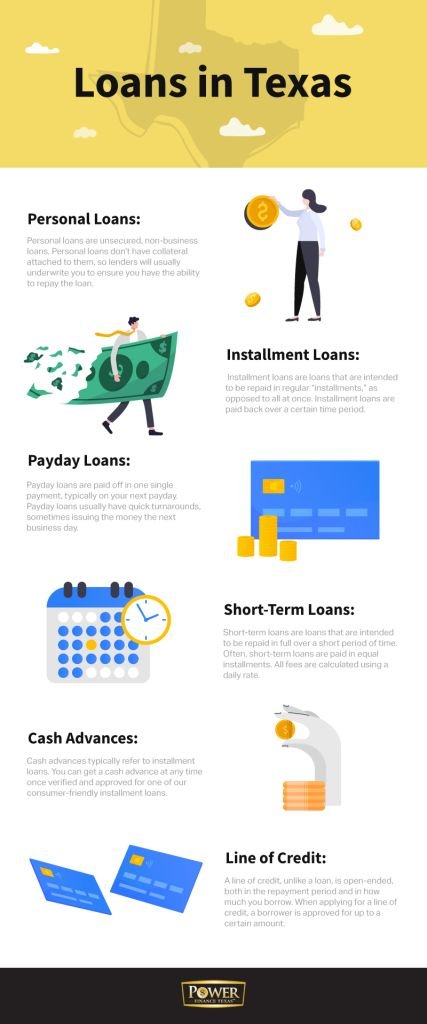
Where can I find the best personal loans in Texas?
The answer depends entirely on whether you prioritize the lowest interest rate, the fastest approval time, or the highest borrowing limit. Texas borrowers face a massive spectrum of options, ranging from traditional brick-and-mortar banks in Dallas to digital-first lenders operating out of cloud servers. There is no single “best” lender, only the lender that fits your specific financial profile at this exact moment.
Finding the right match requires understanding that credit scores act as the primary gatekeeper. A borrower with a 780 score will see a different reality than someone with a 620. While high scores unlock low APRs, those with less established credit histories still have paths forward through peer-to-peer lenders or specialized online platforms.
Texas is a massive, decentralized market. You might find a local credit union in Houston that offers better terms than a national bank, but that requires manual research. The shift toward digital finance has made it easier to compare these moving parts without leaving your house, but the math remains just as complex as it was a decade ago.
The landscape is currently shaped by high competition among lenders trying to capture a share of the consumer credit market. This competition is a good thing for the borrower. It means more transparency and more variety in terms of how you can borrow, repay, and manage your debt.
The Digital Shift and Online Lending Speed
For many Texans, the traditional method of walking into a bank branch is becoming a relic. The speed of online lending has fundamentally changed how people handle unexpected expenses, like a sudden car repair or an urgent home renovation. Today, you can often receive a decision in minutes, even if the actual cash takes a few days to hit your account.
One of the most significant advantages of modern digital platforms is the ability to check rates without the risk of a “hard inquiry” on your credit report. This is a vital distinction. When you check your eligibility through a soft pull, your score remains untouched. You only commit to a hard pull once you actually select an offer and move forward with the application.
To help navigate this, Acorn Finance allows users to see personalized Texas loan rates in as little as 60 seconds without affecting their credit score. This is a massive time-saver for those who are still in the “window shopping” phase of their financial planning.
Online lenders often use proprietary algorithms to assess risk. These algorithms look at more than just your FICO score. They might analyze your bank account data, your employment history, and even your monthly spending habits to determine if you are a safe bet. This can be a lifeline for those who are “credit invisible” but have steady income.
However, speed often comes at a price. While an online lender might approve you by lunchtime, their interest rates can sometimes be higher than a local credit union that has spent years building a relationship with the community. It is a trade-off between convenience and cost. Speed is a luxury (one that many people find worth paying for).
When comparing these digital options, keep an eye on these specific factors:
- Funding Speed: How many business days between approval and cash in hand?
- Application Complexity: Do they require physical paperwork or just a digital upload?
- Transparency: Are the APRs clearly stated before you hit “submit”?
- Repayment Flexibility: Can you pay the loan off early without a penalty?
If you are looking for a way to consolidate debt or cover a gap in cash flow, understanding these digital mechanics is the first step toward a stable outcome.
Comparing Traditional Banks Against Credit Unions
Texas is home to several massive national banks, but it also has a deeply rooted culture of credit unions. Choosing between them is often a choice between scale and service. A national bank might have a more polished mobile app, but a local credit union might offer a more human experience and slightly lower interest rates.
According to data from WalletHub, Texas borrowers can compare loans from various Texas banks, credit unions, and national lenders to find the best APRs and high borrowing amounts. This comparison is essential because the “best” loan is highly subjective to your specific needs.
Banks are generally more rigid. They have strict, non-negotiable underwriting standards. If you don’t meet their specific criteria for income or credit history, they will simply say no. This can be frustrating, but it also means their processes are predictable. You know where you stand, even if that place is “not eligible.”
Credit unions operate on a different model. They are member-owned cooperatives. Because they aren’t driven by the same profit mandates as a publicly traded bank, they can sometimes offer more favorable terms to their members. This is especially true if you have been a loyal member for several years. They might look at your overall relationship with the institution, not just a single snapshot of your credit report.
The following table illustrates the typical differences you might encounter in the Texas market:
| Feature | Traditional Banks | Credit Unions |
|---|---|---|
| Approval Speed | Moderate | Variable |
| Interest Rates | Standard/Competitive | Often Lower |
| Service Model | Transactional | Relationship-based |
| Accessibility | High (Branches/App) | Moderate (Member-focused) |
If you need a large sum of money for a major project, a local lender might be more willing to sit down and discuss your plan. For smaller, quick-turnaround needs, the big bank or the online lender is usually the more efficient path. It is a matter of matching the tool to the task.
Many residents find that using a combination of services is the best strategy. You might keep your primary checking account at a local credit union but use an online platform to quickly bridge a financial gap when it arises. This keeps your long-term finances stable while providing short-term flexibility.
Credit Tiers and the Reality of Borrowing Options
Not everyone enters the loan market with a pristine credit score. In fact, the reality of the Texas economy involves many people operating with “fair” or “poor” credit. The good news is that the market has evolved to accommodate various credit tiers, though the cost of borrowing increases as your score decreases.
For those with excellent credit, the goal is almost always minimizing the total interest paid. You should be hunting for the absolute lowest APR and the shortest term possible to minimize the long-term cost. For these borrowers, the competition is fierce, and they should use that to their advantage by shopping multiple offers.
If you fall into the mid-range credit category, your focus should shift toward terms and fees. A low APR is great, but if there is a massive “origination fee” tucked away in the fine print, the loan might actually be more expensive than a higher-rate loan with no fees. Always look at the total cost of the loan over its entire lifespan.
The most difficult group to navigate is those with low credit scores. This is where peer-to-peer (P2P) lending and specialized online lenders become relevant. These lenders often look at “alternative data” to assess your ability to repay. You can find detailed breakdowns of how these lenders operate by checking personal loans in Texas for all credit types, which covers everything from banks to P2P options.
It is important to be wary of “predatory” lenders that target those in desperate situations. These are often the lenders that promise “guaranteed approval” or “no credit check.” While they exist, they often carry interest rates that can trap you in a cycle of debt. Always verify the legitimacy of a lender before providing any personal or financial information.
Consider these strategies based on your credit situation:
- Excellent Credit: Focus on the lowest APR; shop aggressively among top-tier lenders.
- Good Credit: Balance interest rates with loan terms and repayment flexibility.
- Fair Credit: Prioritize transparency regarding fees and avoid high origination costs.
- Poor Credit: Look for P2P lenders or credit unions that use alternative data.
Managing debt is a marathon, not a sprint. Whether you are using a loan to consolidate high-interest credit card debt or to fund a necessary home repair, the goal should always be to improve your net worth, not just manage your current cash flow.
Strategic Planning for Debt Management
Taking out a loan is a decision that affects your financial health for years. It isn’t just about getting the money; it’s about how you handle the money once it arrives in your bank account. A personal loan should be a tool for growth or stability, not a bandage for a recurring problem.
If you are using a loan for debt consolidation, you must ensure that the new loan’s interest rate is significantly lower than the average rate of the debts you are paying off. If you consolidate $10,000 of credit card debt at 22% into a personal loan at 12%, you are winning. If the new rate is 18%, you are barely moving the needle after you account for any origination fees.
Another common mistake is “reloading” the debt. People take out a personal loan to clear their credit cards, but then they continue to use those cards for new purchases. This leaves them with both the new loan payment and the old credit card balances. This is a fast track to insolvency. A loan can solve a problem, but it cannot change a spending habit.
Before you sign any loan agreement in Texas, you must understand the “prepayment penalty” clause. Some lenders make money by charging you a fee if you pay the loan back early. This is particularly frustrating if you receive a bonus at work or a tax refund and want to clear your debt ahead of schedule. You should always look for loans that allow for early repayment without penalty.
The actual math of your loan is simple, but the psychological impact is complex. A monthly payment is a fixed obligation that sits in your budget every single month. Before committing, run your numbers through a few different scenarios: What happens if your income decreases by 10%? What happens if interest rates rise (if it’s a variable-rate loan)?
The best way to use a personal loan is to ensure the purpose of the loan matches the cost of the interest. Using a 10% loan to pay off a 25% debt is a smart move. Using a 12% loan to buy a luxury item that loses value is a gamble. Make sure your strategy is focused on your long-term financial stability rather than immediate gratification.
The market for Texas personal loans will continue to shift as technology and regulation evolve. texasloanstoday.com covers this in more detail.
Common questions
What are the requirements for getting a personal loan in Texas?
Applicants typically need to be at least 18 years old, have a valid ID, a stable source of income, and a Social Security number for credit verification.
Are there specific interest rate regulations for personal loans in Texas?
Texas follows state usury laws that cap interest rates on various types of consumer loans to prevent predatory lending practices.
Can I get a personal loan in Texas with bad credit?
Yes, many lenders offer secured loans or co-signers to help Texans with low credit scores obtain financing.
Are there any state-specific taxes on personal loans in Texas?
Personal loans are generally not subject to state income tax, but you should check for any applicable local administrative fees or prepayment penalties.